33PL Logistic
← Back to blog
3PL Industry Insights

The real cost of running fulfillment on spreadsheets

RV
Reina Vasquez
Jun 15, 2026 · 5 min read

Professional working on a laptop reviewing spreadsheets

"We'll upgrade once we outgrow the spreadsheet" is the most common sentence we hear from 3PLs in their first sales call — usually said with more confidence than the spreadsheet deserves.

The costs that don't show up in the spreadsheet itself

Stock discrepancies from simultaneous edits, caught days later during a client dispute
Hours spent every month manually building invoices from scattered order logs
Marketplace orders copy-pasted by hand, with the inevitable missed order during a busy week
Client phone calls and emails asking for stock updates the spreadsheet can't answer in real time

A rough monthly tally

For a small 3PL running five to ten client accounts, we typically see 15–25 hours a month lost to manual reconciliation and billing alone, plus an unpredictable but recurring cost from mis-shipped or lost inventory that a real-time system would have flagged immediately.

The tipping point

The spreadsheet doesn't fail all at once — it fails gradually, as an increasing share of the operator's week goes to reconciliation instead of growing the business. By the time the cost is obvious, the switching cost (migrating years of inventory history) has also gone up. The 3PLs who move earliest tend to describe the transition as far less disruptive than they expected.
Related posts

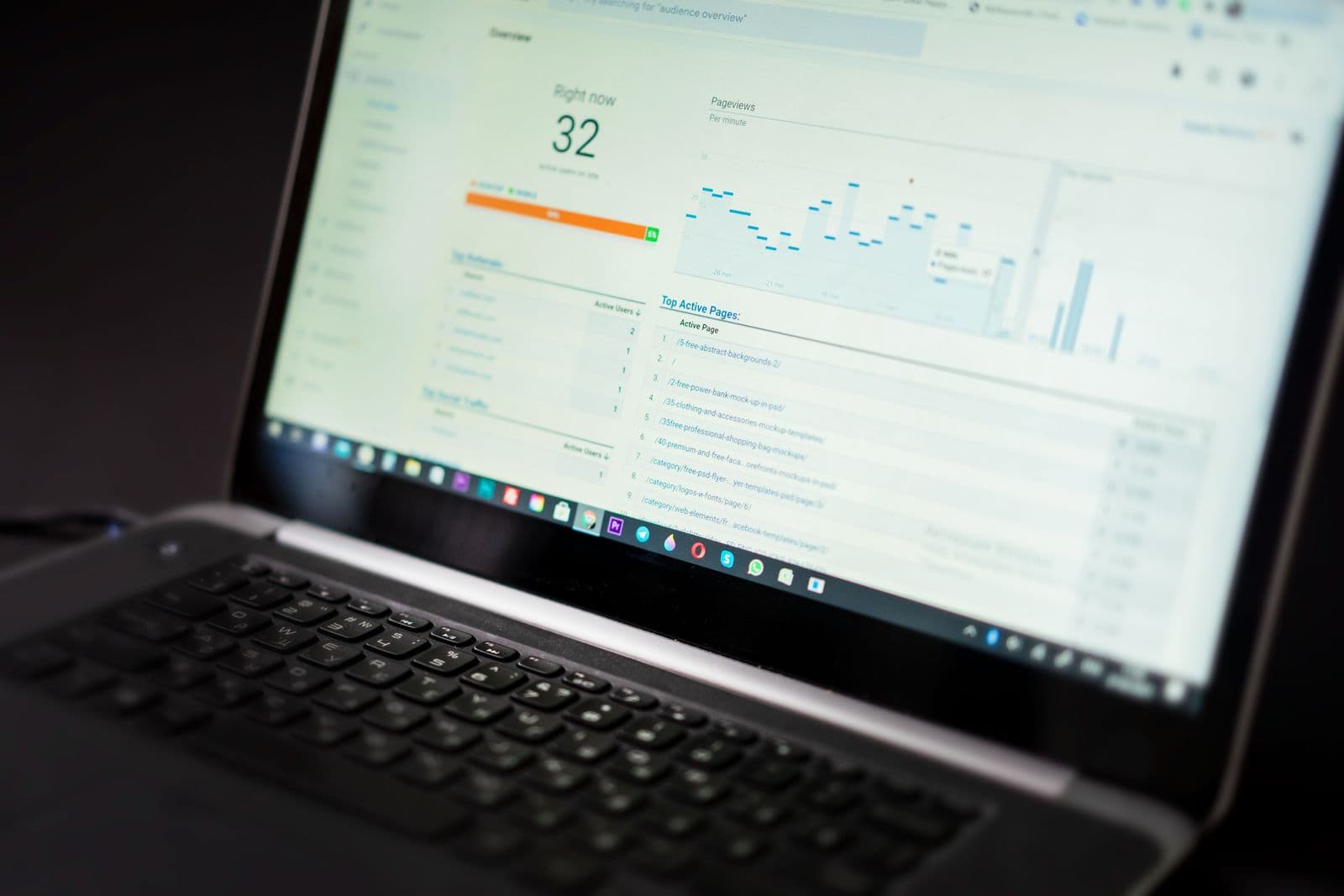
Laptop displaying a branded analytics dashboard with real-time data
3PL Industry Insights
Why white-label is becoming table stakes for 3PLs in 2026
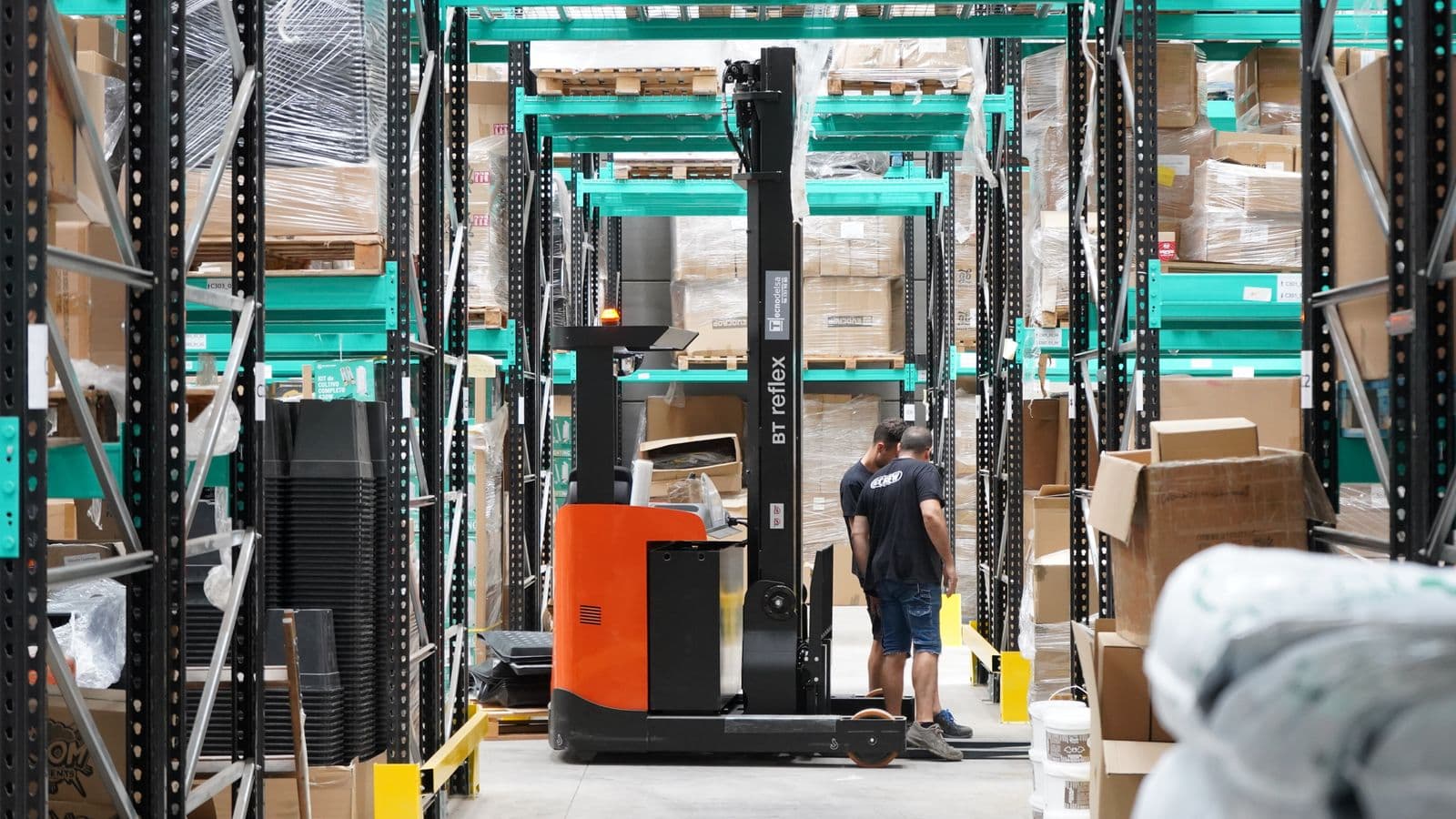
Modern warehouse floor with employees and a forklift in operation
3PL Industry Insights
3PL vs. in-house fulfillment: how to decide in 2026
Stacked wooden pallets in a warehouse storage area
3PL Industry Insights
How to price 3PL storage and pick & pack fees (with examples)