3PL Industry Insights
3PL vs. in-house fulfillment: how to decide in 2026
RV
Reina Vasquez
Jul 12, 2026 · 8 min read
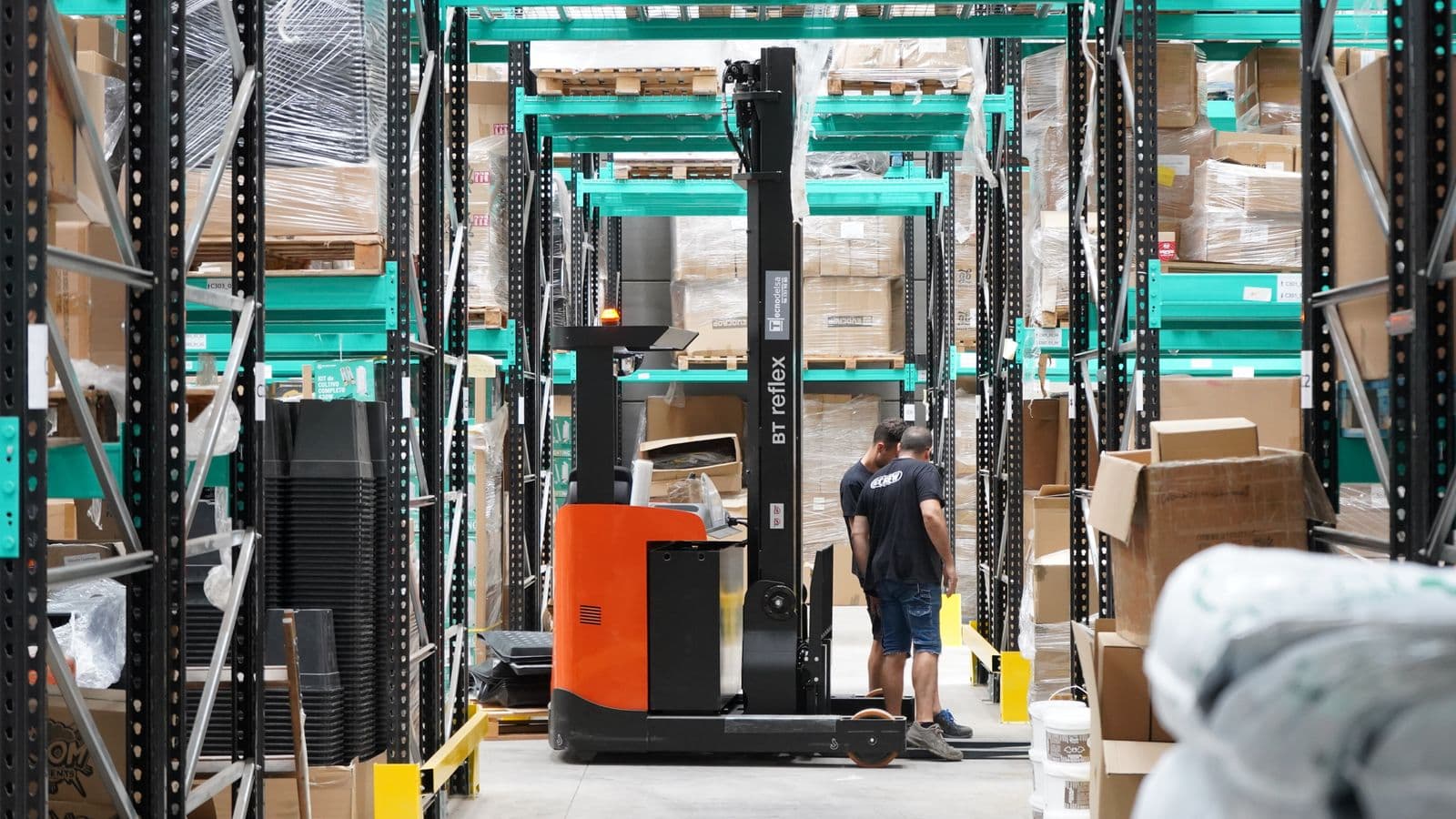
Every growing e-commerce brand eventually has this conversation: keep packing orders in the back room, or hand fulfillment to a third-party logistics provider? The honest answer is that there's no universal order-volume threshold where the math flips — it depends on SKU count, channel mix, seasonality and how much capital you want tied up in a lease.
In-house fulfillment looks cheaper on a per-order basis right up until you count warehouse rent, packaging inventory, seasonal labor, workers' comp, and the opportunity cost of a founder spending Tuesday afternoon printing shipping labels instead of talking to customers.
If your order volume swings seasonally, if you're selling across three or more channels, or if you're expanding into new regions and want fulfillment closer to your customers without leasing a second building, a 3PL removes the fixed-cost problem entirely. You pay for storage and pick/pack per unit, and that cost scales with revenue instead of sitting on your balance sheet in slow months.
Brands with unusual packaging requirements, high-touch unboxing experiences, or extremely low SKU counts with predictable, non-seasonal demand sometimes keep more control by staying in-house — at least until volume justifies dedicating a 3PL account manager to their specific workflow.
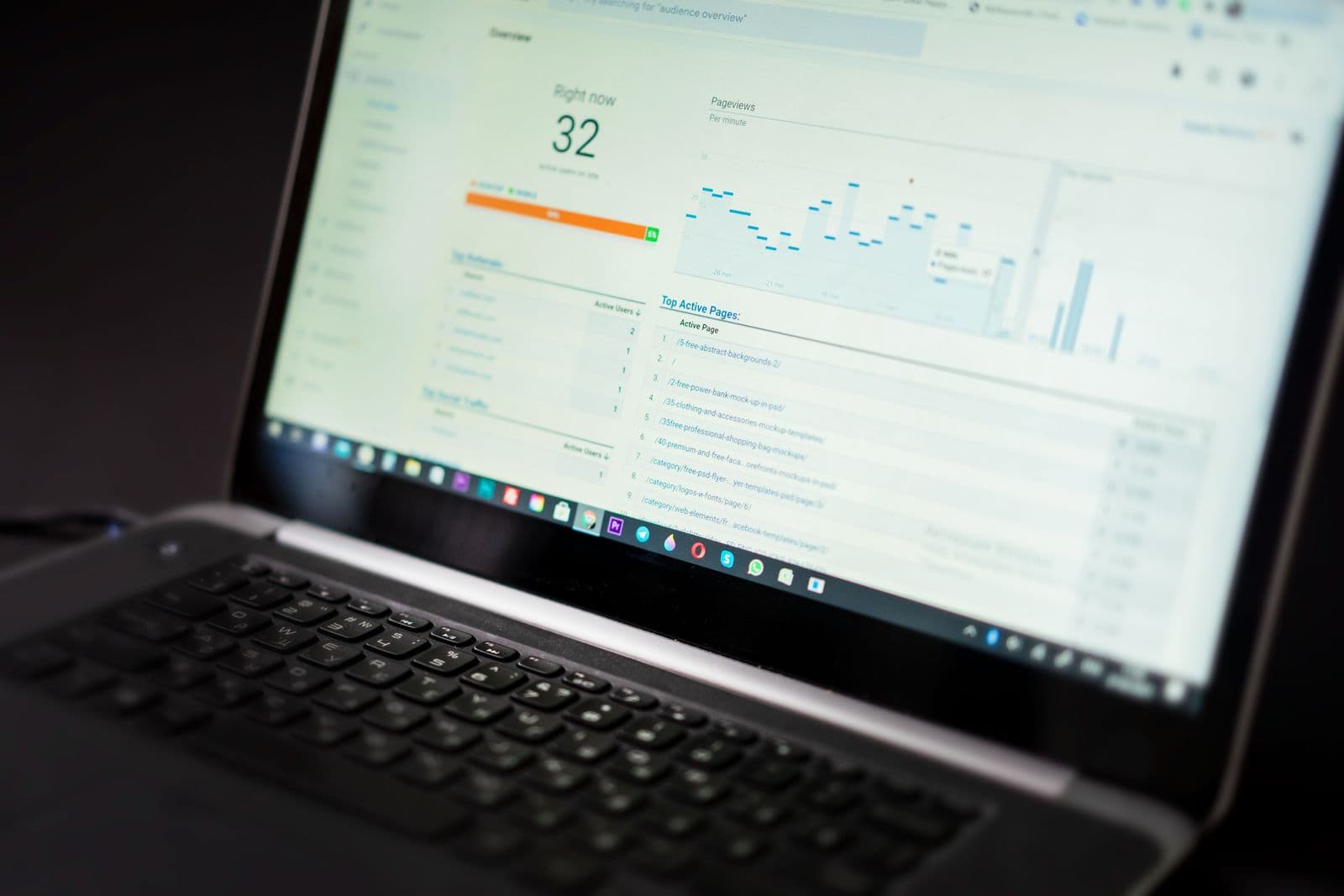
Rather than asking "what order volume means I should switch," ask: "what would visibility look like if a partner ran this?" The 3PLs winning brand accounts in 2026 answer that question by giving clients a live, branded portal into their own inventory — which is exactly the visibility gap that used to make outsourcing feel risky.